Two visits this term, a period a week on the move, and the conversation we have with every family before the end of the year.
Every child in this school leaves at the end of grade six for the school on the next island, and this term is when we start getting them ready for it properly.
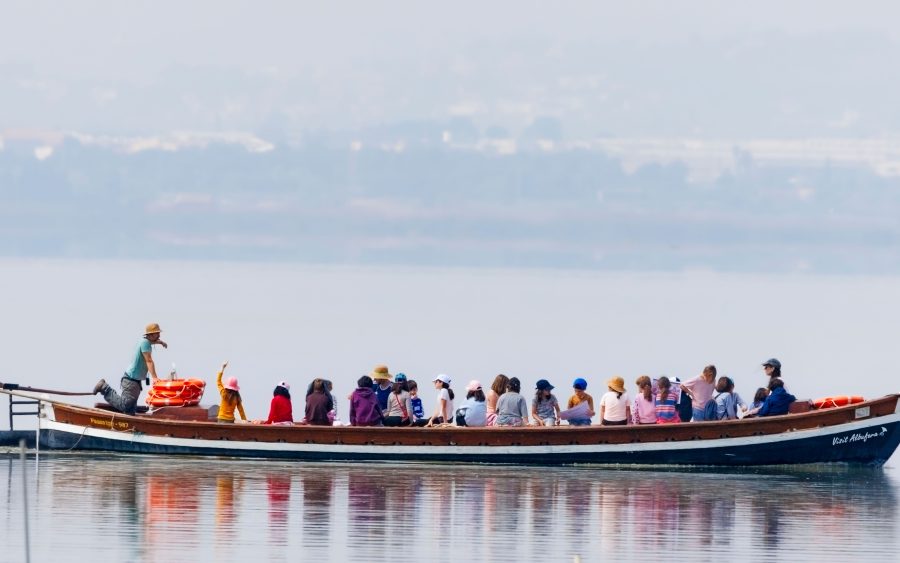
The two visits. The whole class goes over on the school boat on a Tuesday this month and again next month, and sits in real lessons for a morning rather than being shown round an empty building. The second visit includes the break, which is the part the children are most nervous about and the part a tour never covers. Notes come home for both and a parent is welcome on either boat.
The period a week. From this term the class has one period a week on the move itself. What a school of six hundred children is like. How a timetable with eight different subject teachers works, and what to do when you do not know which room you are meant to be in. How to ask a teacher a question in a class of thirty, which is a genuine skill and one our children have never needed. Where to eat, how the canteen works, and what to do on the first morning if you cannot find anybody you know.
What we tell the children, plainly. The first term will be harder than this school. They will not be known by name by every adult in the building, they will not be heard reading every day, and nobody will notice in two days if they are struggling. That is not a criticism of that school, which is a good one with six hundred children and cannot work as ours does. It means they will have to say something when they are stuck, and the whole point of the period a week is practising that.
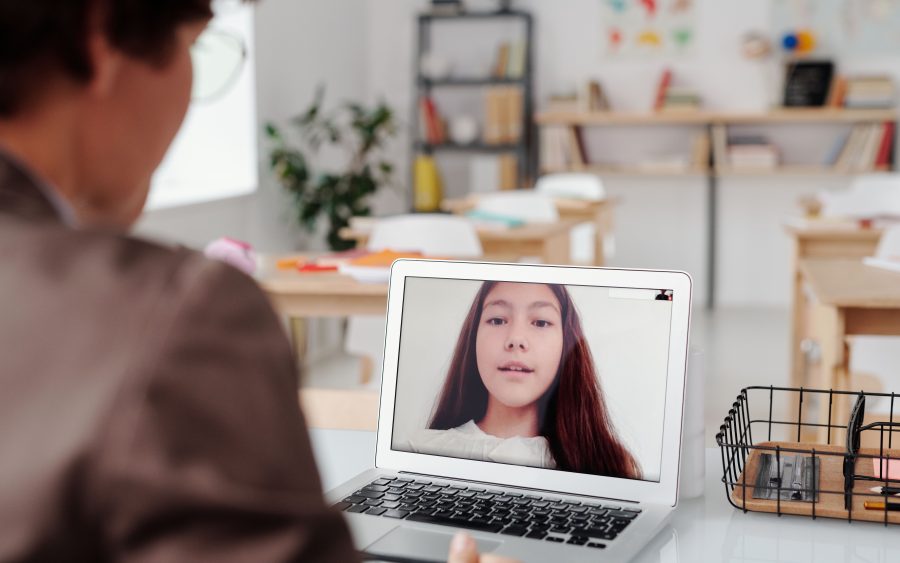
What we tell families. We write to the receiving school about every child we send, in writing, saying where they are strong and where we know they are behind. For most of our children that note says science, because we teach it without a laboratory, and spoken English, because a shared teacher over a link cannot do speaking practice properly. We would rather they knew that on day one than found it out in March.
And we hold a conversation with every grade six family in the third term, at the gate or in the office, whichever suits. Nobody has to ask for it.