The school has four classrooms and needs four classrooms, so a library was never going to be a room. For years the books lived in two cupboards in the office and were handed out by whoever had the key, which meant they were mostly in the cupboards.
The corner was built over three weekends by about fifteen parents. Shelves along two walls, made from timber a family had left over from a house. A mat. Four low chairs, two of them from the mosque. A fan, given by a family whose children had left the school. Paint, from the council.
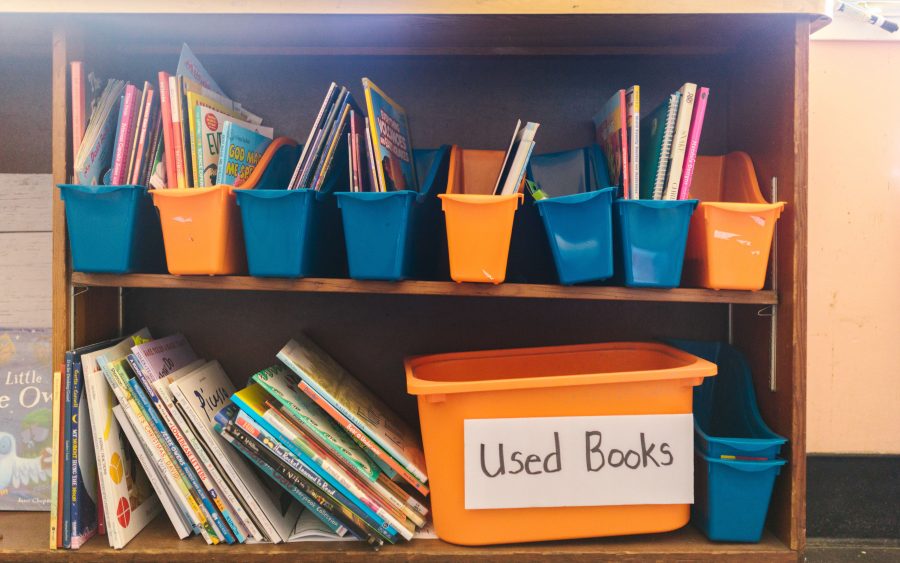
Then the books, which is the part that took two years rather than three weekends. The association buys a few, families give the ones their children have outgrown, and a school in Male sends a box twice a year through a former teacher of ours. There are now about nine hundred, roughly two hundred of them in Dhivehi.
How it is run: no librarian, no ticket, a card in a box, and open from the start of the day until four in the afternoon. Any child may be in it whenever they are not in a lesson. About fifteen books go missing a year and nobody is ever charged for one.
What changed. Borrowing went from a handful a week out of the cupboards to nearly every child taking something home every night. The three children in the school who find reading hardest are all in the corner at some point most days, which was the whole purpose and is not something a cupboard in an office could ever have done.