Somebody shows me a foreign listing on their telephone about once a week. The gap is real and almost none of it is the showroom.
About once a week somebody puts a telephone on my counter showing the same machine for sale in another country at a fraction of our price, usually with a polite version of the question: what exactly are you charging me for?
It is a fair question and it deserves a straight answer, so here is what sits between that listing and our board.
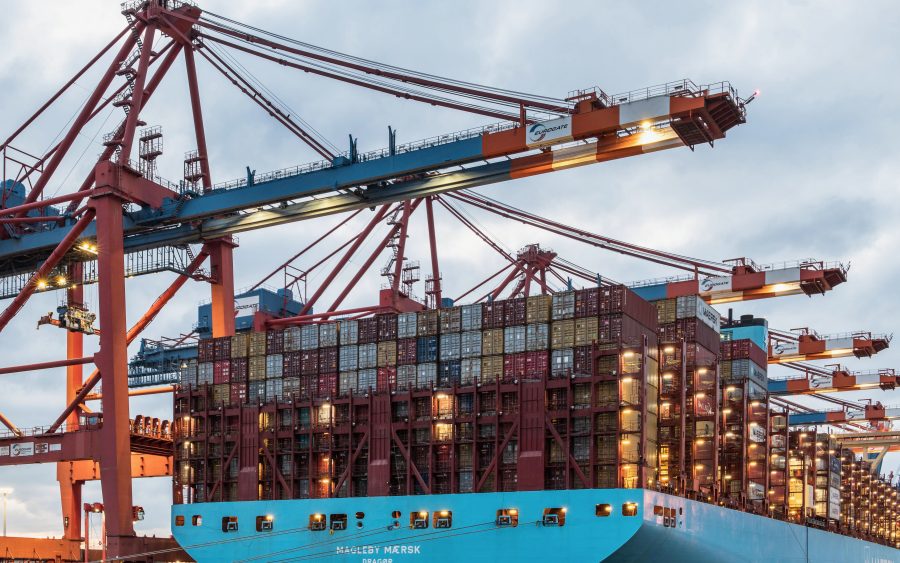
The machine has to get here, which means sea freight, and a vehicle is a large object that occupies space on a boat whether it is a cheap machine or an expensive one. That cost is roughly the same per bike regardless of what the bike is worth, which is why the gap looks enormous on a cheap machine and modest on an expensive one. The very cheapest scooters in foreign listings are the ones people ask me about most, and they are exactly where freight is the biggest share.
Then there is import duty. I am not going to quote a rate here, partly because it is not mine to publish and partly because what applies depends on the vehicle, and a figure printed on a web page today is a wrong figure next year. What I will say plainly is that duty is a large part of what a vehicle costs in this country, it is set by the state rather than by any showroom, and it is the single biggest line in the difference you are looking at on your telephone.
After that, clearing. Somebody has to receive the shipment, handle the documentation, pay the charges at the port, and move the machine from the port to a showroom. On a single unit that is a real cost. On a consignment of twenty it is much smaller per machine, which is one reason we bring machines in together and one reason a shop that brings in one bike for one customer charges what it does.
Then registration and the paperwork, which we do and which takes a person some hours per machine.
And then the two things that are genuinely ours. Preparation, meaning the machine is checked, assembled properly, adjusted and given its first service rather than handed over as it came out of the crate. And parts, meaning we carry a shelf of the things that fail so that our customers are not waiting five weeks for a bearing. That shelf is money sitting still and it is the reason we can fix your bike on a Tuesday.
Add all of that and the honest position is this: on a typical machine, the showroom's own share of the difference between a foreign listing and our board price is the smallest part of it. The largest parts are duty and freight, and neither is negotiable by us.
What you can reasonably ask of a shop here is not a lower duty, because nobody has one. It is a single number. Our board price includes the duty, the clearing, the transport, the preparation and the registration work, and there is no second figure produced at the counter when you have decided. If a shop quotes you a price that is suspiciously close to the foreign listing, the question to ask is which of those five things is missing and when you will be told about it.
The other genuinely useful thing to ask is whether the parts exist here. A machine nobody can service and nobody stocks parts for is a two year vehicle whatever it cost, and that is a far more expensive mistake than paying a fair price for something that will still be running in year eight.