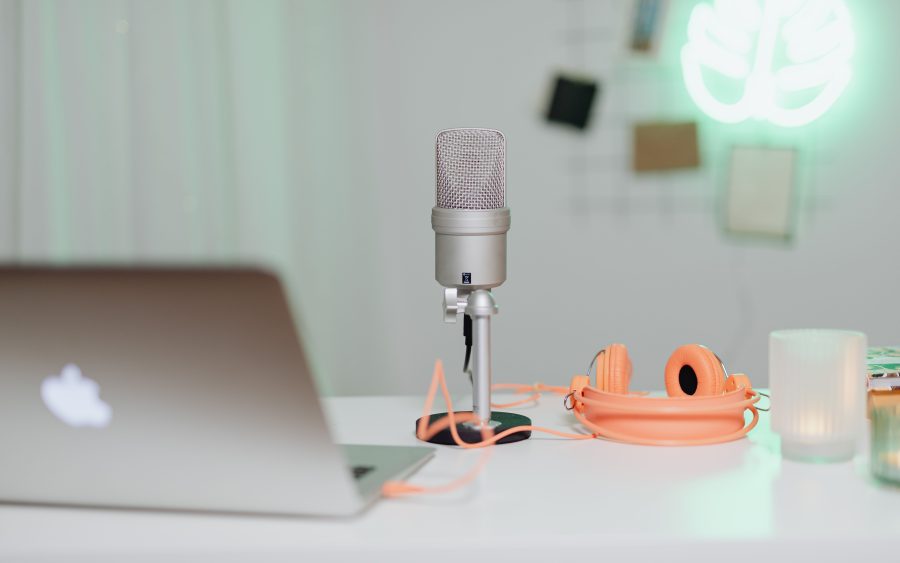
Most online teaching treats the recording as a courtesy for absent students. For a sixth of ours it is the entire service.
When we started, recordings were an apology. A student had missed a class, so we sent them the file, slightly grudgingly, because live attendance was obviously the real thing.
That was wrong and the register proved it. About one student in six now watches every single class as a recording, deliberately, and they are not doing worse than the students who attend live. Several of them are doing better.
Here is why, and it is nothing to do with laziness.
They can stop. A student watching live who does not follow a step has one choice: ask, in front of nineteen people, and interrupt the class. A student watching a recording rewinds it. On a maths topic that is the difference between understanding and copying.
They choose the hour. Our live classes are at seven, eight and nine in the evening, which is a compromise nobody loves. It is after school, so students are tired; it is during dinner for some families; and for anybody working, nine is too early. A recording is watched at five in the morning, or at eleven at night, or between shifts, by the student who knows when their own head works.
They use less data. A downloaded lesson watched later costs nothing at all to watch, and about a fifth of our students are rationing a monthly package. We learned this the hard way when a grade nine class was losing a third of its students halfway through every session in the last week of the month, and we had spent two months blaming attention spans.
And they can go backwards in time. This is the largest one. The library is organised by topic rather than by date, so a student stuck on moles in grade eleven can watch four lessons on moles, two of them recorded for grade nine, and stop when it makes sense. School and live classes are both organised by the calendar, which is no help at all when the problem is from two years ago.
So we now design for the recording rather than around it. Teachers say the date as little as possible. Nothing depends on a question asked in the room. Every lesson has notes and worked answers as small files. And everything is kept, organised by topic, and never expires, including for students who have stopped paying, for a year.
The one thing a recording cannot do is make you work. Live classes give a student a fixed hour and somebody who will notice, and for plenty of fifteen year olds that structure is the main thing they are buying. If a student watching recordings is falling behind, the fix is usually not a better recording. It is a marked assignment every week, which is something a person has to do and a deadline somebody else sets.