Ten per cent in thirty three degrees is not the same as ten per cent somewhere cold. Most first builds come out one step stronger than their owner wanted.
Concentration is the least romantic decision in a build and the one that most often gets it wrong, so we spend a good part of an appointment on it.
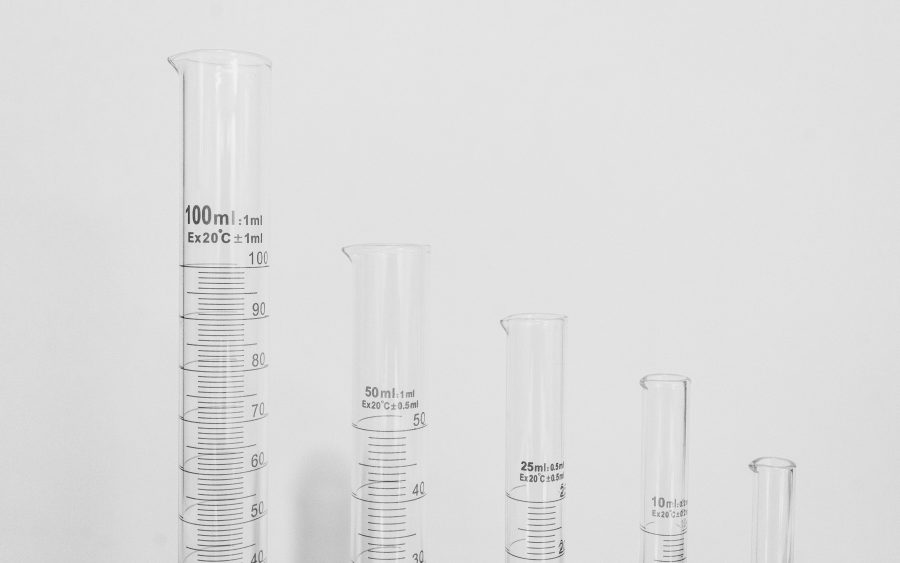
The number is simply the proportion of aromatic material dissolved in the alcohol. Around ten per cent is usually called eau de toilette. Around eighteen to twenty per cent is eau de parfum. The names are conventions rather than standards, and the number is what actually matters.
Here is the part that catches people. Heat drives the whole thing. In an air conditioned office at twenty four degrees, an eau de parfum is pleasant and lasts a long time. The same two sprays on the same person standing at a ferry terminal at thirty three degrees, in humidity, is a different experience for them and for everybody within two metres. Warm skin lifts the volatile materials faster, humidity carries them further, and the scent arrives before you do.
Our rough guidance, from about four years of builds: for something to be worn to work daily in this country, ten to twelve per cent is usually right. For an evening, or for somebody who applies one spray and no more, eighteen. Above twenty we make it if you insist and we will tell you first that it is likely to be more than you want.
The second thing is where it goes. In this heat, the base of the throat and the wrists are aggressive placements. The back of the neck under a collar, or the front of a shirt, is gentler and lasts longer because fabric does not heat the material the way skin does.
And the third, which we say to everybody: you stop smelling your own scent within about twenty minutes. Everybody else does not. Almost every request we get to make a formula stronger comes from somebody who cannot smell theirs any more, and in about half of those cases the honest answer is to ask a colleague first. They will usually tell you it is still perfectly obvious.