
A yard, a panel saw and two thousand sheets lying flat
We sell to the people who have to work with it afterwards, which decides everything about how we store it.
Why the storage matters more than the price
Bandharu opened in 2009 buying containers of plywood and selling them to joinery shops in Malé. Almost all of our customers are still trade: carpenters, kitchen shops, interior fitters, builders and a few island contractors.
That is why the yard looks the way it does. Every sheet lies flat, on bearers, under a roof, off the ground, and the stacks are turned rather than left to sit for a year. Sheet material in this climate absorbs moisture from the air, and board that is stood on edge against a wall will take a bow within weeks that no amount of clamping will take out. A carpenter who receives a bowed sheet has been sold a problem, not a saving, and they do not come back.
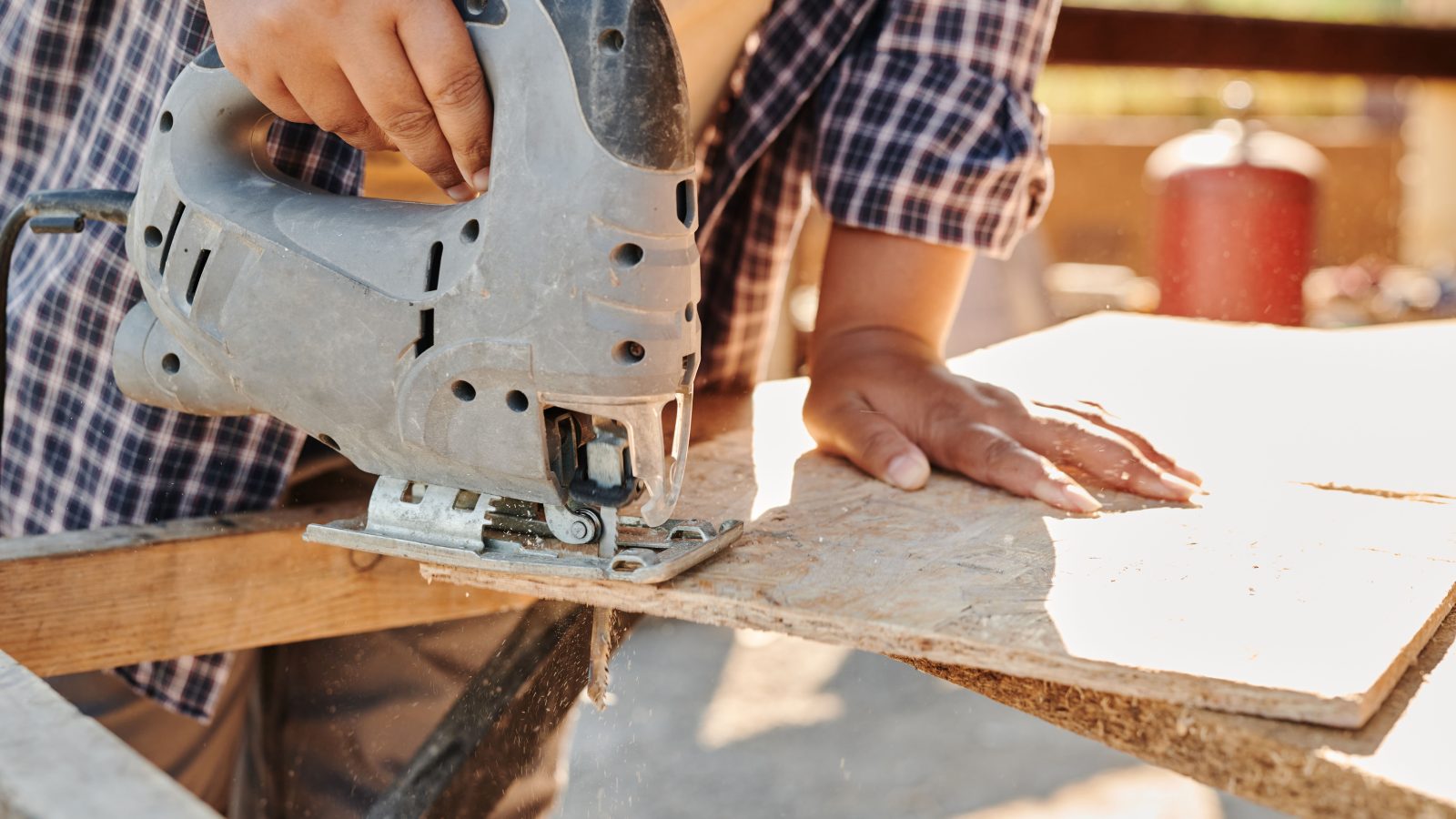
The panel saw came in 2014 and changed the business more than anything else we have bought. Cutting a sheet properly, square, on a sliding table, is not a service a joinery shop can match on trestles with a circular saw, and it means a carpenter can order a cutting list rather than sheets and carry the parts up a stairwell instead of a full sheet.
We also tell people what they are buying. Commercial plywood and marine plywood look identical on a cut edge to anybody who has not been shown the difference, cost very different money, and behave completely differently in a bathroom. There is a lot of board sold in this country as one when it is the other, and a shop that is honest about glue keeps its customers for seventeen years.
The people at the yard
Abdulla Rasheed
Started the yard in 2009 with one container of plywood. Buys the board and is the person who will cut a corner off a sheet to show you the c...
Ali Shifaz
Runs the panel saw and the stacks. He is the reason a cutting list of sixty parts comes back square and the reason nothing is stored on edge...
Hussain Naeem
Knows which lanes a lorry fits down and which boat goes to which island. Crates sheets rather than strapping them, which is why island order...
Fathimath Zulfa
Opens the trade accounts, keeps the monthly price list and holds the record of which laminate went to which job.
Getting it to your workshop
Will you deliver into a lane a lorry cannot enter?
Yes. 150 rufiyaa in Malé for up to twenty sheets, carried in by hand cart where the lane needs it.
Tell us the floor when you order. Two men carrying 18mm board up four flights is a different job from a ground floor door, and knowing in advance is the difference between it happening that afternoon and not.
How do you send material to an island?
Consolidated onto the scheduled cargo boats. Tell us the island and the week and we will tell you the sailing and what loading costs, and we do the manifest and the loading note.
Sheets are crated with battens across the face rather than strapped, and they travel flat and covered. A strapped bundle on a boat deck arrives bowed with crushed corners, which is why island customers usually ask for the parts cut here as well.
Can I open an account?
Yes, for shops buying regularly: thirty day terms, one invoice at the end of the month, and a price list that holds for a calendar month so a quotation you give your own customer survives the job.
We ask for orders in writing rather than by telephone. Every disagreement this yard has ever had with a customer was about a verbal order.
Come and look at the stacks
Industrial Village, Malé. Ask to see a sheet from the bottom of a stack rather than the top one.