A new shopkeeper asks for the full price list. What they actually need is the short list, and we have counted which lines it contains.
Every few weeks somebody opening a shop asks us for the full list, which runs to eleven hundred lines. It is the wrong document for the job and it is how a new shop spends its money on the wrong three hundred things.
We went back through two years of orders from shops on islands of under fifteen hundred people and counted what actually moved. About thirty lines account for close to sixty per cent of the money those shops take. They are not surprising and that is the point.
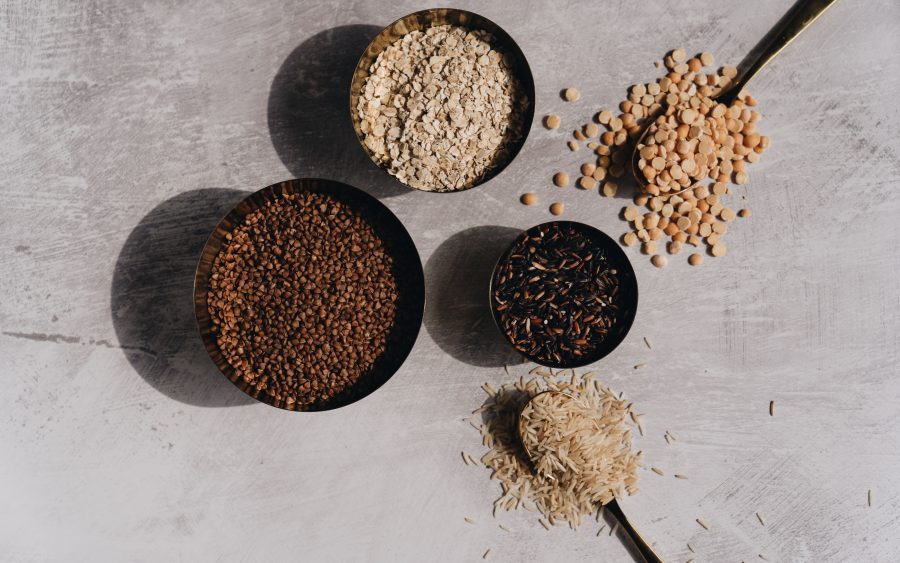
Provisions first. Rice in two grades, flour, sugar, cooking oil in two sizes, and salt. That is seven lines and on most islands it is a quarter of the turnover, at the worst margin in the shop.
Then the tinned and packet goods that people buy without thinking: tinned fish, milk powder, evaporated milk, tea, instant noodles, biscuits in two or three kinds, and pasta or lentils depending on the island. Call it ten lines.
Then cleaning, which is where the money is. Bath soap, laundry bar, washing powder in a sachet and a box, dish liquid, and bleach. Six lines, twice the margin of provisions, and none of it expires.
Then the ones nobody puts on a first order and everybody needs: matches, candles, batteries, a torch, carrier bags, tissue, and a bucket. Seven lines, and between them they will bring more people through the door in a power cut than anything else you stock.
That is thirty. Stock those properly, three deep, before you carry anything else. A shop with thirty well faced lines looks better than a shop with two hundred lines one deep, and it takes more money.
What to add next depends on the island rather than on any list. Watch what your customers ask for twice and cannot get, and write it down for a fortnight. That notebook is a better buying guide than our catalogue, and it is the reason we always split a new shop's opening stock across two loads a fortnight apart.
One last thing. Do not let a wholesaler, us included, decide your order by telling you what has good margin for them. Ask instead what your island buys, and if the answer is vague, ask the shop that has been there twenty years. They will usually tell you, because they know a thin shop next door is worse for them than a good one.