The form takes four minutes and people assume it is a formality. We read every one, and about one in nine changes what we do.
When you join here you fill in a short health questionnaire. Most people tick through it politely, assuming it is there to protect the gym. It is not, or not mainly. We read them, and roughly one in nine changes the first month of somebody's training.
Here is what we are actually looking for and why.
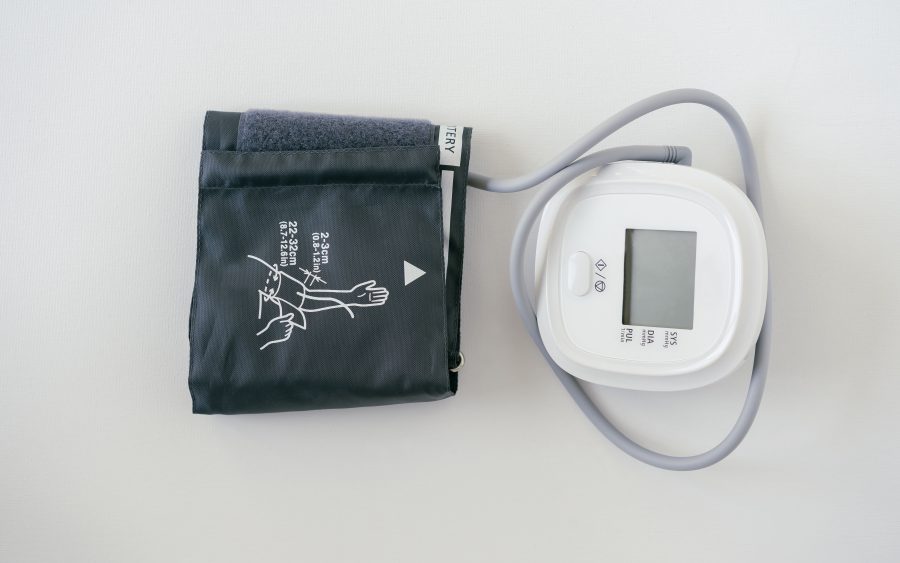
Blood pressure and heart conditions. Not because people with either should not train, they very much should, but because it changes the shape of the session. Heavy holding of breath under load, long static holds and certain positions are worth avoiding early, and a sensible programme looks slightly different. We also want to know what medication you are on, because some of it affects how your heart rate responds and a trainer using heart rate to judge effort will otherwise be reading a false number.
Diabetes. Mostly a question of timing and food. Training on an empty stomach at seven in the morning is a different proposition, and it is worth a two minute conversation rather than a surprise in week two.
Asthma. So that we know before somebody is out of breath, and so we ask whether the inhaler is in the bag rather than at home.
Pregnancy. Training through a pregnancy is normal and good, and what changes is the loading, the positions and the pace of progression. We want the doctor's view and we will follow it.
Previous injuries and operations, however old. An old shoulder injury from school is the reason a movement hurts eleven years later, and knowing about it means we choose a different variation on day one instead of discovering it on day nine.
And anything recent and significant, meaning an operation or an injury inside the last year. Here we do not write the programme at all. We ask for the physiotherapist's or the doctor's plan and, with permission, we ring them. We deliver their plan with a trainer present and report back every fortnight. Members ask us regularly to write them a rehabilitation programme instead, and the answer is always no; the last member who accepted that answer squats his own body weight eleven months after a knee operation.
What has never happened is somebody being refused membership because of something on that form. Not once in nine years. So there is no reason to leave anything off it, and the two most common omissions, an old back problem and blood pressure medication, are both things we would rather hear from you than from a trainer's guess.
If something changes after you join, tell the desk. A new diagnosis, a new medication, a pregnancy, a fall. It takes a minute and it changes what we do with you that week.