It is not the swimming. It is the hours afterwards, while the salt dries on the strand and pulls water out of it.
Everybody who lives here swims, and a good proportion of the people who sit in this chair have hair that has been quietly wrecked by it over years. What surprises people is that the swimming is not the damaging part.
Hair swells when it takes on water and contracts as it dries, and that movement is hard on it however clean the water is. Sea water adds something worse. Salt left on the strand keeps drawing moisture out of it for as long as it sits there, which in practice means the whole afternoon you spent on the beach and the drive home afterwards.
So the single most useful thing anybody can do is rinse with fresh water immediately, at the jetty or the shower on the beach, before the salt has dried. Thirty seconds. No product on this shelf does as much as that rinse does, and it costs nothing.
Second best is oil before you swim, not after. A light coating of coconut oil on the lengths and ends slows how much water the hair takes up in the first place. Put it on twenty minutes before, keep it off the scalp, and wash it out the same evening.
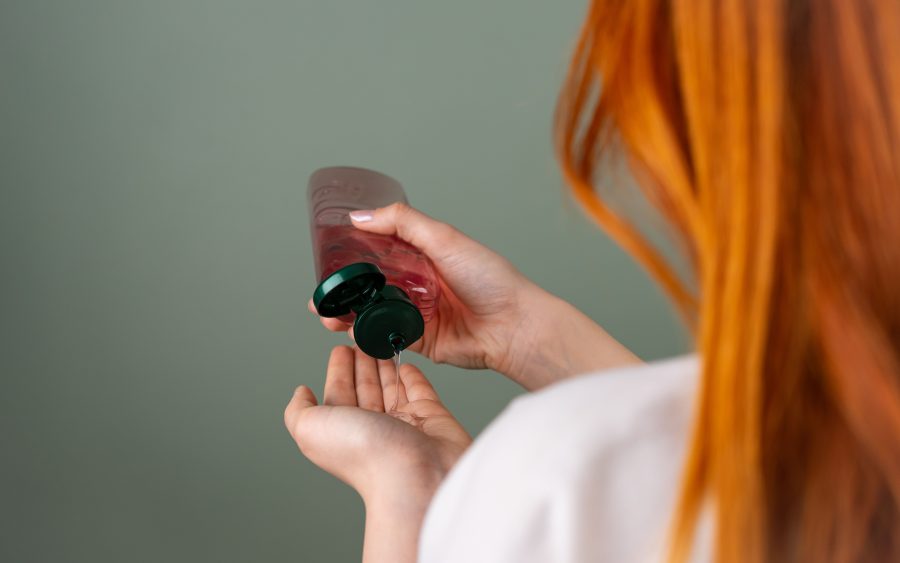
Third is what you wash with afterwards. This is where people get it backwards. A heavy clarifying shampoo on salt damaged hair strips what little is left. Use something mild, wash twice if you have to rather than scrubbing once, and put the conditioner where the damage is, which is the last few inches and not the roots.
And if you swim most days, accept that the ends are consumable. A trim every eight weeks keeps the damage from travelling up the strand, and it is cheaper and more effective than the treatments people buy instead of it.