
Two kinds of drawing, one habit
Work out the constraints first, then design. It sounds obvious and it is not how most of this is done.
Why a studio does houses and logos
People ask why one studio draws house plans and also designs logos, as though they were unrelated. In a country this size they are the same clients at different moments. The family building a house on a small plot in Malé is often the family opening a shop on its ground floor, and both jobs fail in the same way: somebody produces something attractive that cannot actually be used.
A house drawing that cannot be built from is a drawing with three views and a beautiful render and no dimensions on the staircase. A logo that cannot be used is a logo that exists only as a picture four hundred pixels wide, which looks fine in a chat and cannot be put on a shopfront. Both waste the client's money and both are common.
So the studio's habit is the same for both. Find the constraints first. For a house that means the setbacks, the coverage, the permitted height, the road width and the neighbours' walls, worked out and written down before a single line is drawn, because a design produced before those are known is a month nobody gets back. For a brand it means where the mark actually has to work: a shopfront, a delivery box, a receipt printed on thermal paper at fifty eight millimetres wide, and a profile picture the size of a thumbnail.
There are four of us. Two draw buildings, two do graphic work, and everybody sits in the same room, which is the other reason the work goes together.
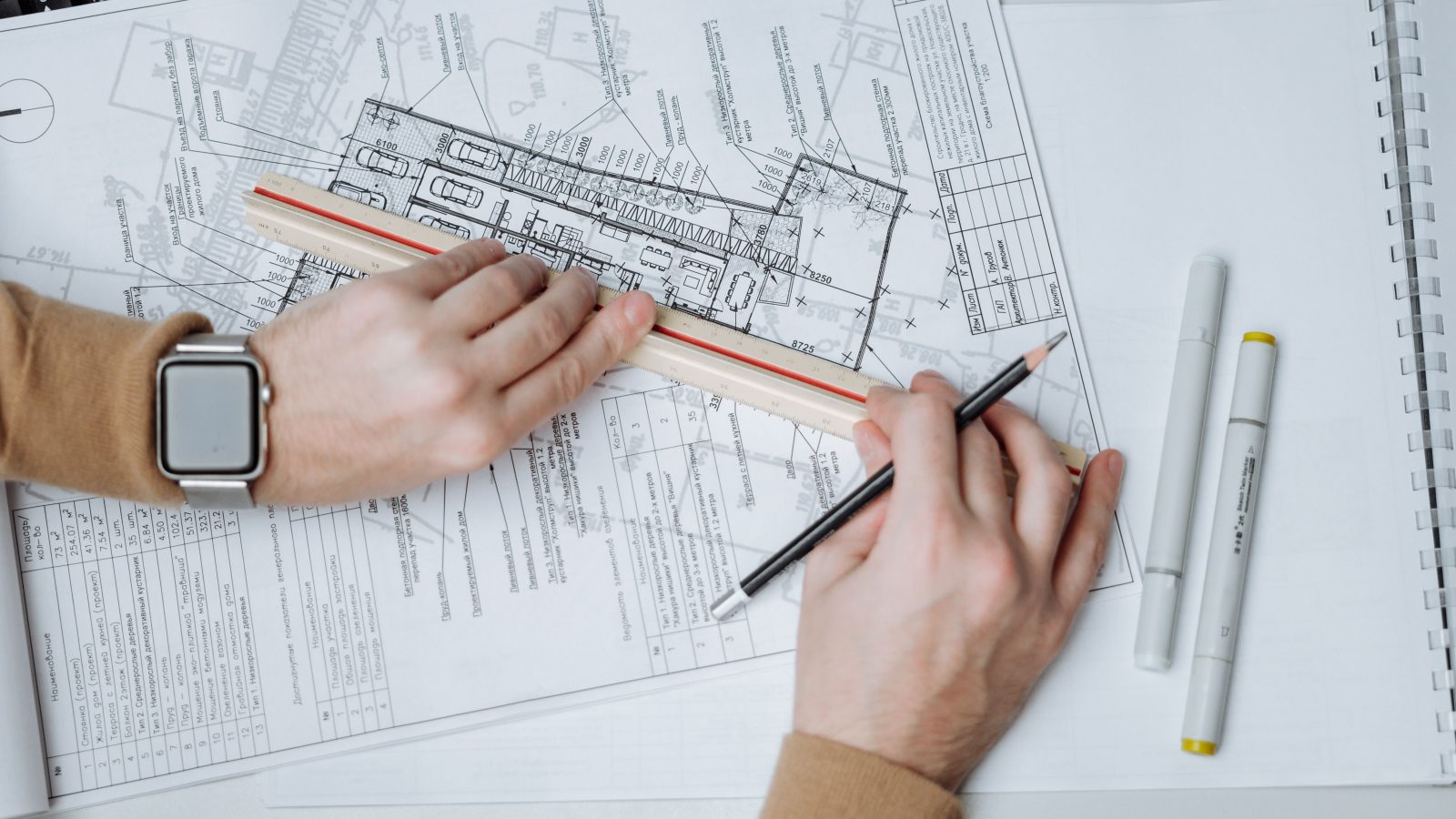
The four of us
Ahmed Shifaq
Started the studio in 2016. Draws houses and does the constraints week himself, which is why it is the part of the job nobody here skips.
Fathimath Munaza
Produces the drawing sets and handles the submissions. She draws every staircase at full size before anybody agrees a plan.
Mohamed Azhaan
Logos, packaging and print artwork. He is the one who tests a new mark on a thermal receipt at fifty eight millimetres before calling it fin...
Aminath Shahula
Interior layouts and visuals, drawn from a standing eye height at a real position in the room rather than from a flattering corner.
Logos, files and what you own
What do I get with a logo?
4,500 rufiyaa for three concepts, two rounds of changes on your choice, then the files: vector originals, flat and single colour versions, horizontal and stacked arrangements, a version for dark backgrounds and a square one for a profile picture. Plus a two page brand sheet.
That list is the point. A logo delivered as one image has to be redrawn by your signmaker, your printer and your web builder, and each of them will decide differently.
Do I own the design?
Yes, entirely, including the working files, once the invoice is paid. We keep a copy for two years so you can ask for it again, and we ask separately before showing any work on our own pages.
We have no arrangement with any printer or signmaker and take nothing from them, so the files go wherever you choose.
My logo is only a picture from a chat. Is that a problem?
For a business card, no. For anything larger, yes: a logo from a messaging app is about four hundred pixels wide with soft edges, and on a shopfront it is a smear.
Redrawing an existing mark as vector is 1,200 rufiyaa and is usually the right answer rather than a new logo, especially where customers already recognise it.
Come and look at a full drawing set
Meheli Goalhi, Malé. Ask to see everything one house needed, not the renders. That is the honest way to judge a studio.