Everybody knows air is dearer. Fewer people work out what the extra weeks cost, and that is where the decision actually lives.
The choice between air and sea gets made on the freight rate, which is the wrong number to make it on. Here is how we set it out for customers.
Start with the chargeable weight, because air freight and sea freight charge on different things. Air charges on the greater of the actual weight and the volume divided by the airline's divisor, so a light bulky carton can cost more than a heavy compact one. Sea charges on the greater of the cubic metre or the tonne. The same consignment can therefore look cheap on one and dear on the other purely because of its shape. Work both out before you have an opinion.
Then put a figure on the time. This is the part importers skip. If a shipment of stock arrives three weeks later, what does that cost you? For a shop with a season, it might be the whole margin on the order. For a builder waiting to pour, it is three weeks of a site standing. For spare parts on a plant that has stopped, it is whatever the stoppage costs per day, and that number is usually far larger than any freight bill.
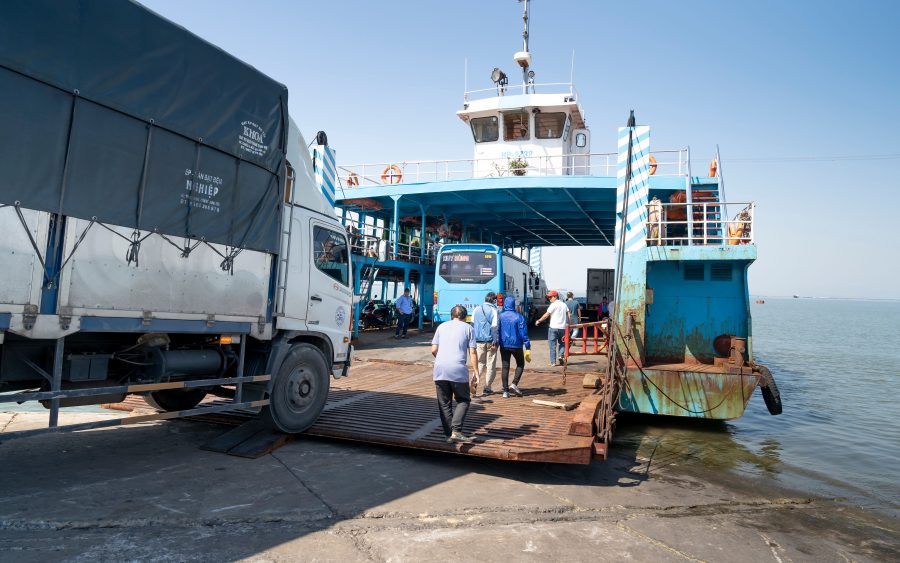
A worked example from last year. Eleven cartons, four hundred and twenty kilograms actual, two and a half cubic metres. By air the chargeable weight came out at four hundred and twenty and the flight was about six times the sea freight for the same consignment. By sea it was three weeks longer including a transship. The cargo was replacement pumps for a plant that was running on one unit out of two. The customer flew it, and the right decision took four minutes once both numbers were on the same page.
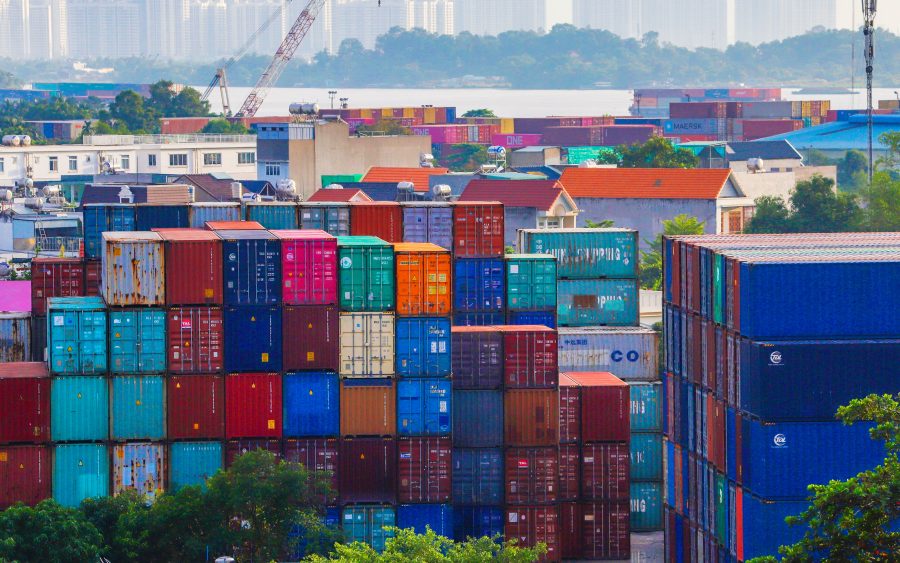
A second example the other way. Thirty cartons of packaging material, light, bulky, no deadline, ordered twice a year. Air would have been absurd. It went as loose sea cargo, consolidated with two other customers, and waited nine extra days for the consolidation to fill. Nobody noticed.
There is a middle option people forget. Split the consignment. Fly the part that is holding up work and ship the rest. We do this most often with construction and plant orders, where one crate out of nine is on the critical path and the other eight are not needed for a month. It costs a fraction of flying the lot and it usually beats waiting.
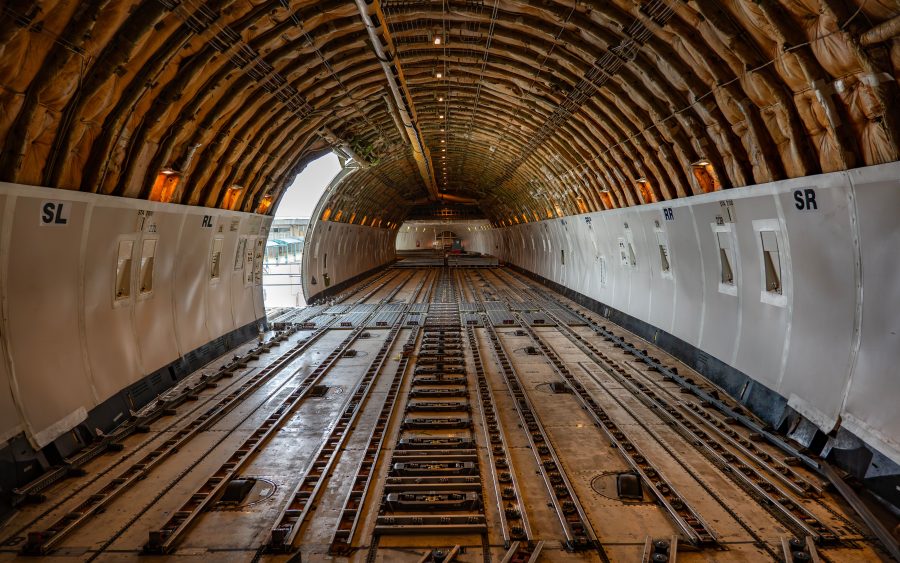
One warning about air. The awkward cargo rules are strict and they are enforced at the origin, not here. Batteries, aerosols, anything pressurised, anything with oil in it, anything with a data sheet. Tell us at booking, because cargo left behind at the origin airport is not something you find out about quickly, and it is the one air freight failure we cannot fix from this end.