A ladies function and a mens function are not one wedding with a partition. Treating them as two is the whole difference.
Most of the weddings we run are segregated, and the repair work we are asked to do usually comes from the same mistake: the wedding was planned as one event and then divided.
Think about what a function needs. A schedule. An entrance. A way of feeding people. Sound. Somebody in charge of the floor. Two functions need two of each of those, and the moment one of them is shared, the two sides start waiting on each other. The commonest version of this is a single buffet arrangement served in two sittings, which means one side eats at eight and the other at half past nine and nobody planned for either.
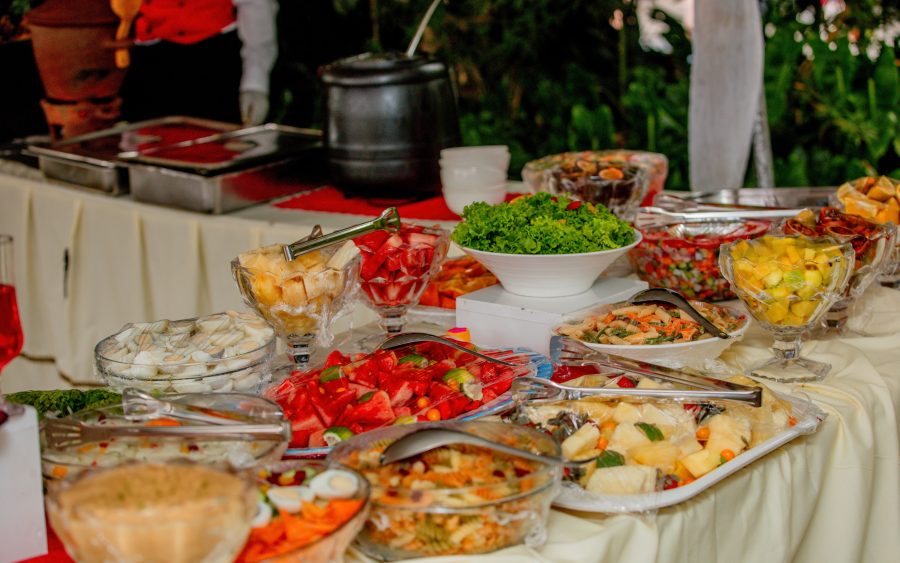
So we write two schedules. They share exactly two items, the nikah time and the cake, and everything else runs independently. Each side gets its own serving lines, its own tea and hedhikaa table, and its own sound, so a speech on one side is not a technical problem for the other.
Entrances matter more than people expect. If both functions are in one building, guests arriving are the group most likely to end up in the wrong place, and the answer is two doors with two people at them rather than a sign. We put somebody at each entrance for the whole arrival period. It costs one person's evening and it removes the single most awkward thing that can happen to a guest.
On the ladies side, a lady from this office runs the floor for the whole evening. Not somebody who checks in, and not somebody's colleague who is mostly on the mens side. The reason is practical as well as proper: things that need deciding on the ladies floor have to be decided by somebody standing on it. Our photographer arrangements follow the same rule, and we cover that separately because it deserves its own explanation.
And a detail worth insisting on with the venue. Ask for a private room for the bride, off the ladies hall, with a door. Six hours on a stage is six hours, and every bride we have worked with has used that room and been glad it was argued for.
Plenty of families here have a mixed function instead, and we plan those with the same care. What we do not do is tell a family how their wedding ought to be arranged. We ask, we write it down, and we plan the one they described.