This school offered a science stream for eleven years with one room, no fume cupboard, no gas and no technician. Practical work was demonstrated at the front by a teacher, and most students reached grade twelve having handled apparatus perhaps a dozen times.
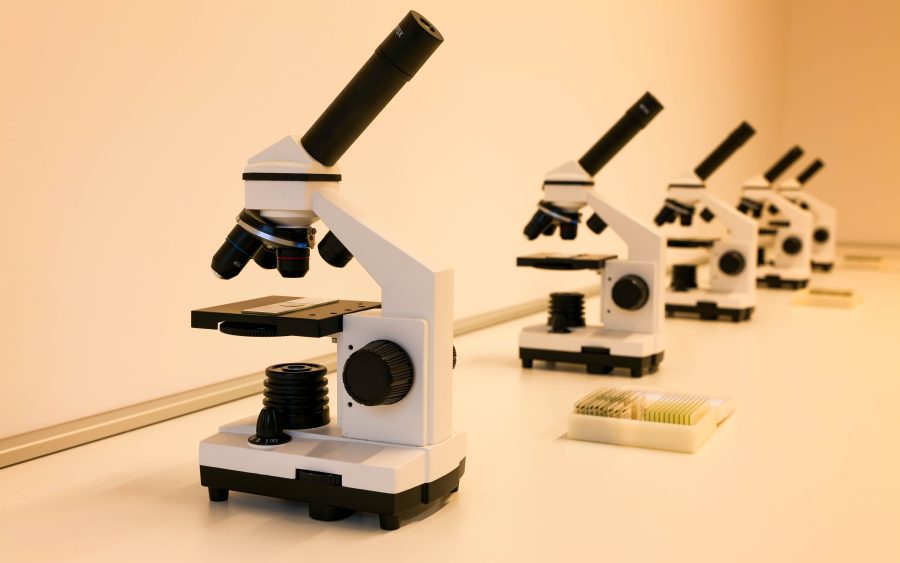
The project built a shared physics and chemistry laboratory with proper benching, water and gas at each bench, a fume cupboard, and a preparation room behind it, and converted the old room into a biology room with the microscopes moved into it. The post of laboratory technician was created at the same time and filled by somebody who had done the job in a city school.
The technician is the part nobody predicted the value of. Practical work in a school fails on preparation rather than on teaching: solutions that were not made up, apparatus that was not checked, a cylinder that was empty. A technician means a teacher walks into a prepared room, and the number of practical periods actually delivered roughly doubled in the first year without a single extra period on the timetable.
What also came out of it. The feeder schools now bring their grade nine and ten classes here twice a term for a practical morning, which costs us two mornings and means their students are not arriving in grade eleven having never held a burette.
The rules on the wall of both rooms were written by the technician and the head of sciences together, and the technician's word on any chemical or cylinder is final, including over a teacher's.