Children do not manage heat the way adults do, and they will not tell you they are in trouble. The timetable is the main safety measure we have.
The most important decisions we make about children's safety are not on the pitch. They are on the timetable.
Children handle heat worse than adults for reasons that have nothing to do with fitness. They produce more heat per kilogram of body weight, they sweat less efficiently, and they are considerably worse at noticing that they are in trouble. A ten year old who is overheating will keep running because the session is still going and because stopping feels like giving up.
So we do three things with the clock.
Athletics trains at six in the morning, three days a week. Not because runners are romantic about dawn, but because it is the only part of the day when a child can do repeated hard efforts here without the heat becoming the limiting factor. A sprint session at four in the afternoon in April is a heat session with some running in it.
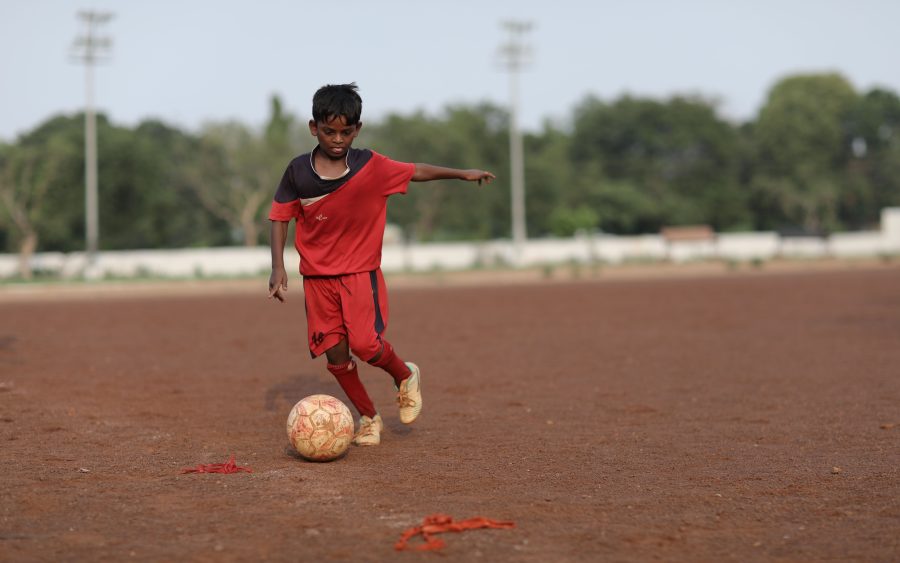
Football trains at four in the afternoon, which is the earliest we can get children to a ground after school and the coolest hour available to us. We would rather train later and we cannot, because of homework and because of the light.
And we cancel. If the conditions are genuinely dangerous we cancel the session rather than shortening it, because a shortened session in bad heat is the same session with the same children pushing just as hard. We cancelled six sessions last year and we will keep doing it.
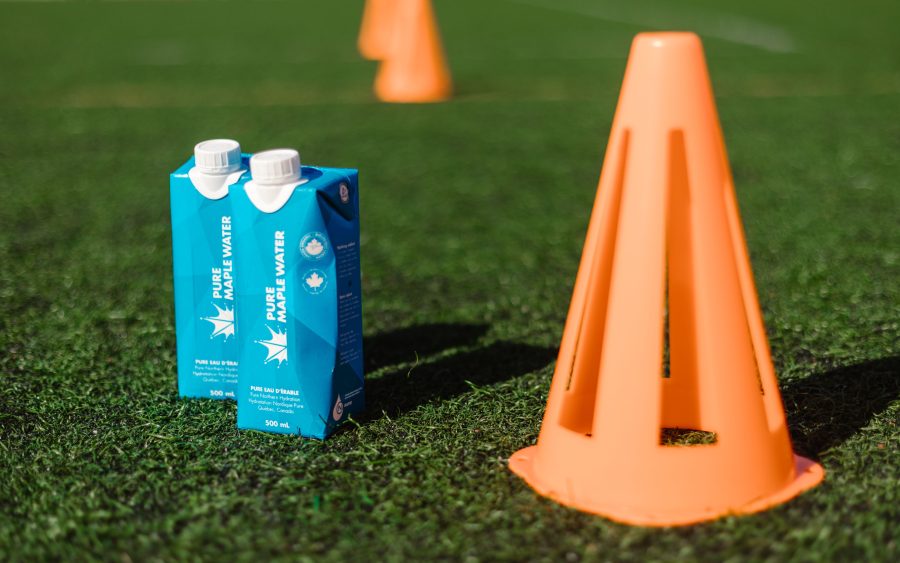
Within a session, the rules are boring and they are not negotiable. Water break every fifteen minutes for the youngest group and every twenty for everybody else, whether or not anybody says they are thirsty, because thirst arrives late. Every child brings their own bottle with their name on it and we have spares, because a child without water will simply not drink. Shade for every break, and no child stands in the sun waiting for a turn, which is another argument for small groups.
What parents can do is mostly about what happens before training. A child who arrives having drunk nothing since lunch starts the session already behind, and no amount of water breaks fixes that in an hour. Send them with a full bottle and make them drink on the way. A light meal an hour or two before is better than nothing and much better than something large fifteen minutes before.
And tell us if your child has been unwell, has not slept, or is on medication that affects them in the heat. Every session has two coaches with current first aid certificates and a kit on the ground, and all of that works better with information than without it.
The warning signs we watch for are a child who goes quiet, a child who stops sweating, a headache, and a child whose running suddenly falls apart. Any of those and they are out of the session, in shade, with water, and a parent gets a telephone call the same afternoon rather than a mention at the end of term.