There are usually three numbers on a part and only one of them is the one we need. Here is how to tell them apart in about ten seconds.
Almost every wasted trip to this counter starts the same way: somebody describes a part instead of reading it. So here is the ten second version of what the counter does when you hand over an old one.
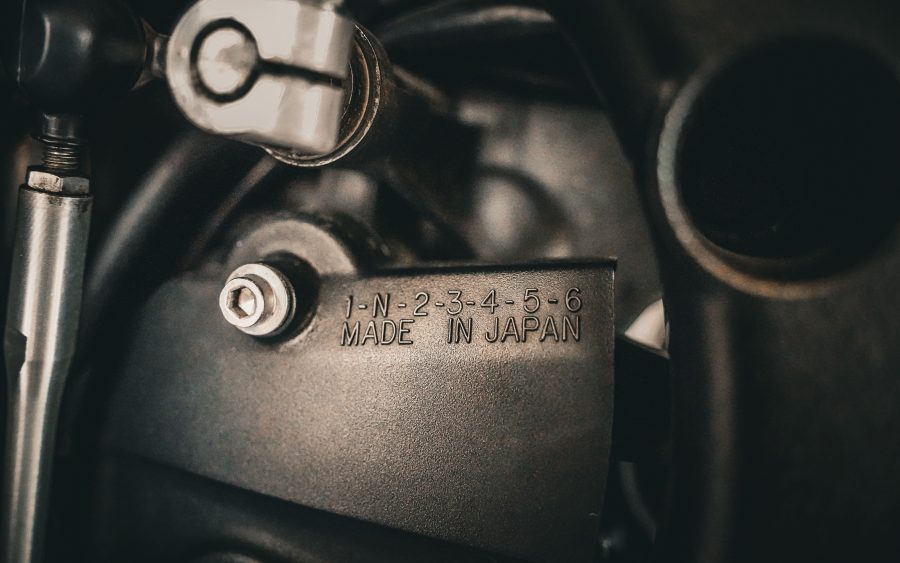
There are normally three kinds of marking on a part and they look alike to anybody who has not spent years staring at them. The first is a mould or casting number, often raised rather than printed, sometimes with a letter and a lot of digits. It identifies the tool that made the plastic, not the part, and two completely different parts can carry the same one. The second is a date code, which looks like a small clock or a pair of numbers in a circle. It says when the thing was made and nothing else.
The third is the one we want. It is usually printed or stamped rather than moulded, it tends to sit on a flat area meant for it, and it is the shortest of the three. On a filter it is on the body near the seam. On a pad it is on the backing plate, on the side that faces out. On a belt it is printed along the flat, and it usually includes a width and a length in millimetres, which is the single most useful marking in this entire trade.
Photograph it in daylight, from straight on, close enough that the number fills the picture, and wipe the oil off first. A photograph taken at an angle in a dark garage turns an eight into a six, and a six into a returned part.
When the number has worn away, and on brake parts it often has, the fallback is measurement. For a belt, width across the flat and the total length. For pads, the height and width of the friction material and the thickness of the backing. For a filter, the thread size and the height of the can. Bring the old one if you can. Ten seconds with a vernier gauge on this counter beats an afternoon of guessing.
One last thing. If somebody has already fitted a part that was wrong, do not throw it away before you come in. It is often the fastest way for us to work out what the machine actually wants, because it tells us what does not fit.