It is twelve years of handwritten cards turned into a set of boxes you can tick. That makes it useful and it does not make it a guarantee.
Every item on this site can carry a few lines saying what we have fitted it to: the machine, sometimes the years, sometimes whether it goes on the front or the back. The shelf pages turn those lines into boxes you can tick, so a category with ninety items in it becomes four.
People assume that comes from a manufacturer. It does not. It comes from cards kept by hand in this shop since 2014. When a part goes out and somebody tells us what it went onto, that machine is added to the card. Twelve years of that is a genuinely valuable thing and it is worth being honest about its edges.
The first edge is that it is a record of what has been fitted, not a statement of what will fit. A part with forty lines on its card is about as safe a bet as this trade offers. A part with one line was sold once, to one person, who told us one thing. Both look identical on a website. At the counter we say which is which, and that is one of several reasons the counter is still worth using.
The second edge is naming. Machines here are known by half a dozen names each, depending on who imported them and when. We write what the mechanic told us, so the same machine can appear twice with two spellings, and a search for one spelling misses the other. We tidy those up when we notice them and we do not notice all of them.
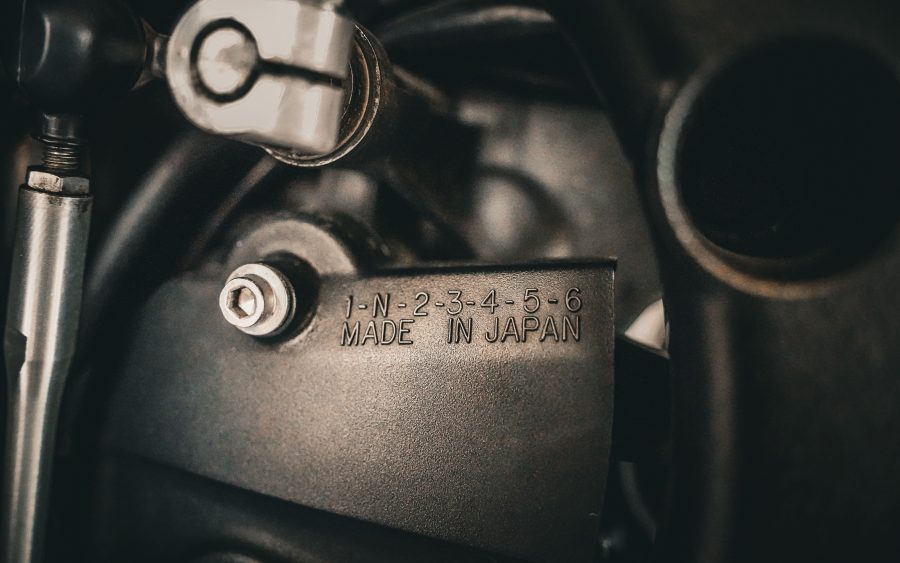
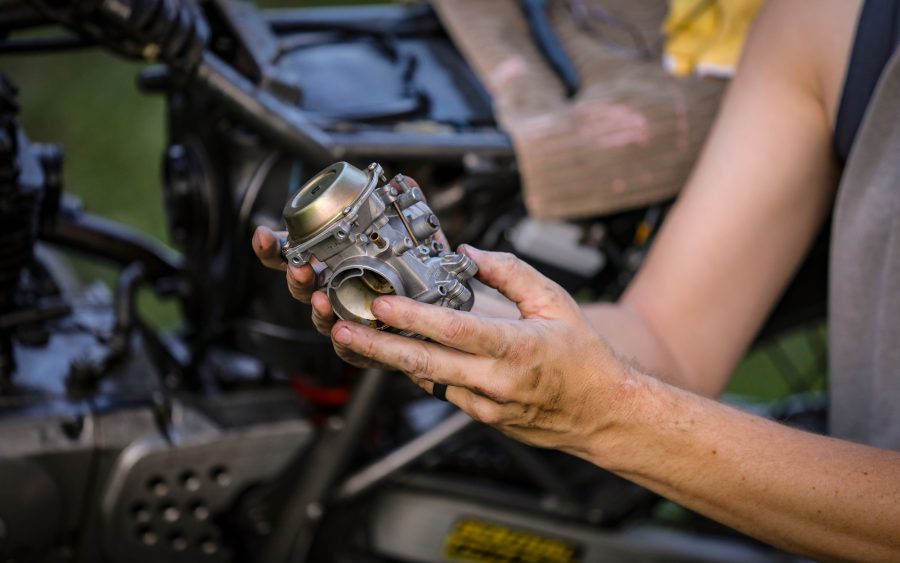
The third edge is the one that costs money. A part number can change in the middle of a production run without anything visible changing on the machine. Our card cannot know that. Your old part does. That is why every product page on this site says to check the number, and why the counter asks for it even when the filter has already found exactly one answer.
Use it the way we use it: to get from ninety possibilities to four, quickly. Then do the last step properly.