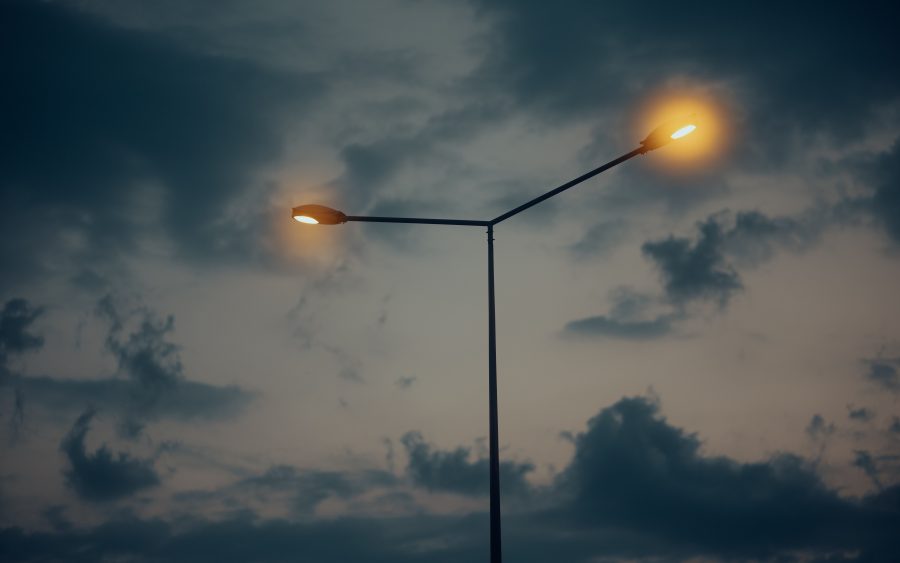
The ward had been replacing lights one at a time as they failed, which meant the streets that failed most were the streets with the oldest fittings, and the crew was going back to the same eleven streets every month.
The project replaced two hundred and ten fittings in one programme. What is worth recording is how the order was decided: not by a map or by street length, but by the fault log. The eleven streets that had generated sixty per cent of the lighting reports over three years were done first, and two streets that looked dark on paper were left alone because nobody had ever reported them.
The fault log has been kept properly at this desk since 2019 and this is the first project that used it as the plan rather than as a record. Three of the eleven streets were a surprise to the elected members.
After the programme, lighting reports fell to about a quarter of what they had been. The crew's Sunday and Wednesday list is now mostly drains and footpaths, which is what the ward wanted, because a drain is the fault that actually floods a street.
Seven months, done street by street in the evenings, and the ward gave each street a week's notice through its committee where it had one.